
McMinnville Previous Residents by Era
Each historical source answers a different part of the question, “who lived here before?” A transfer document names parties to that transaction. A directory can place a named person at an address in its printed year. Census indexes, obituaries, and probate files can add household or family context. Begin with the most recent reliable address record and move backward only when the legal description and date support the connection. The table separates verified local coverage from collections whose exact year run must be confirmed with the repository.
| Source | Years it covers | Where held | What it shows |
|---|---|---|---|
| Clerk recorded-property records | Early 1850s forward in records maintained | County Clerk, Digital Research Room, and public research area | Deeds, liens, mortgages, plats, and legal-description chain; online start not stated |
| County property account material | Tax statements since 2009 | Yamhill County Property Search | Near-current account, sales/general property material, GIS, plat, and value history |
| Museum city and telephone directories | Exact years not published | Ruth Stoller Research Library | Name, address, and telephone research after confirming the edition |
| Regional directory citations | 1915 and 1972 | Oregon SHPO citation, with holding to locate | Documented ownership-directory and McMinnville–Newberg directory eras |
| Museum census indexes | 1850–1910 | Ruth Stoller Research Library | Household and area indexing to pair with federal census access |
| Yamhill probate index | 1852–1946 | Oregon Historical Records Index | Estate, heir, and death-endpoint leads |
| Sanborn maps | 1884, 1889, 1892, and 1902 | City historical materials and Library of Congress | Building footprint, use, and structure chronology rather than occupants |
For a recent question, start with the county account and a recorded transfer. For an older household question, use the deed connection to select a directory year, census index, obituary, or probate source. The County Clerk, the museum research team, and State Archives are the documented fallback chain when an online result ends.
McMinnville Address Trail Has Three Keys
Keep three identifiers beside every McMinnville address: the situs or street address, the assessment account with its tax-lot or plat clue, and the legal description. The Yamhill County Property Search begins with a street address or account number, not a person name. It can lead to an account, plat, and GIS mapping. The Clerk’s recorded-land system needs the legal-description bridge rather than the street string alone.
A legal description may use a subdivision name with lot and block, metes and bounds by township/range/section, a partition-plat recording and parcel number, or an older recording/book-page reference. That durable identifier makes it less likely that a past residents search silently joins two different places with similar-looking addresses. A mailing address can also differ from the physical situs address, so preserve the form used by each historical record.
Directional prefixes matter in McMinnville. The research found examples such as NE, NW, SE, and SW addresses but no verified comprehensive grid rule or citywide renumbering date. Compare the original directory wording, Sanborn sheet, plat, and historic-resource material before calling an address change a renumbering.
Trace McMinnville Previous Residents Through Deeds
Recorded transfers provide the backbone for a backward property trail. The most recent transfer instrument supplies a grantee, a grantor, a document type, date, recording reference, and legal description. The former owner is normally the transfer’s grantor, but a relationship must be checked against the legal description before it is carried to the next record. A partition, subdivision, or boundary change can break that continuity even when the street number looks familiar.
- Search the current street address in the property portal and preserve the account number, plat clue, GIS link, and legal-description evidence.
- Use those clues in the Yamhill Digital Research Room or at the Clerk counter to locate the latest transfer instrument.
- Record the grantee, grantor, date, document type, recording number or book/page, and legal description in a chain worksheet.
- Search the prior transfer with the seller as grantee, while matching the same legal description or a documented predecessor reference.
- Stop and resolve any changed description through plats or partition recordings. Use the Clerk’s public research area or copy-request channel when the online material does not resolve the chain.
- Grantor
- The party transferring an interest in a recorded document, commonly the seller in a deed.
- Grantee
- The party receiving that interest, commonly the buyer in a deed.
- Chain of title
- The sequence of recorded property transfers connected by a consistent legal description.
- Legal description
- The land identifier used in recorded documents. It is not merely a street address or tax-lot number.
Note: The County says ownership can be traced in its maintained records to the early 1850s, but it does not publish a separate start date for the online index.
McMinnville Clerk Research After Online Gaps
The online room is not the end of a McMinnville previous residents trail. Its accessible entry uses a JavaScript consent/disclaimer screen, and the County warns that data can be corrected and that web images are not certified as true, complete, and exact. For a document that needs verification, a certified copy should come from the Clerk rather than an unverified web image.
The Yamhill County Recording office maintains a public research area where public documents may be searched or viewed free. The County asks copy requesters to provide a document number and recording year. That makes the chain worksheet useful when a digital search leads to an older instrument. The Clerk’s office is at 414 NE Evans Street, and its published phone number is 503-434-7518.
County public-records requests are a separate written route for existing nonexempt material outside a self-service system. The relevant department can estimate actual costs and request a deposit. A request should name the document or file sought; it does not require staff to assemble a new address history.
McMinnville Past Residents in Directory Books
Directories fill the human gap left by land records, but an entry still needs its own date and edition. The Ruth Stoller Research Library lists city and telephone directories, title abstracts, obituaries, cemetery material, and census indexes. Its published page does not provide a full directory run or establish a complete reverse or criss-cross sequence. Ask the research team which exact volume, publisher, and section are available before using a book as an address lead.
The collections themselves are described in the McMinnville city directories resource. For one address trail, pair an inspected directory year with the nearest usable census index, then compare the address with the deed date and an obituary or probate event. This sequence can show a move, a household change, or an address-era mismatch without claiming that any one source is a full household roster.
- Write down the exact directory title, edition year, page, street spelling, and abbreviation key.
- Check the museum’s 1850–1910 census indexes when the address era fits, then obtain the underlying census source through the appropriate archival route.
- Compare directory dates with deed transfers, title abstracts, obituaries, and probate records before identifying a transition.
McMinnville House Maps Date Buildings
Sanborn maps date a structure, not a resident. McMinnville historical materials link sheets from 1884, 1889, 1892, and 1902, and the Library of Congress makes the four-sheet January 1889 set available. Compare a map’s footprint and use with a directory date or a recorded transfer. A structure appearing later than a claimed address listing is a prompt to check the address form, coverage boundary, or historical context.
The City’s historic-resource inventory can add a site address, historic name where known, and resource number. Its preservation materials and later surveys can help distinguish building chronology from household chronology. They do not establish who lived at a private address. This local map-and-inventory route is especially useful when a chain reaches the nineteenth century, because Clerk records, title abstracts, and maps each preserve a different kind of continuity.
McMinnville Previous Residents at Life Events
Probate and obituary sources can help close a historical household trail. State Archives indexes Yamhill probate from 1852 through 1946, while the museum lists its own probate index for 1845 through 1900, obituaries, local cemetery material, and property title abstracts. An estate record can identify an executor or heir. An obituary can supply a family or community link. Each is a lead that should be compared with a deed, directory, or dated address evidence.
The State Archives territorial guide also identifies early Yamhill assessment rolls, naturalization material, wills, court journals, and marriage records from the 1850s. These records are evidence of early record keeping, not a promise of an online name search. For a difficult family-history question, the research path can move from an address to the Clerk, then to the museum or State Archives with a specific record group and date range.
McMinnville Specialty Records Are Not House Histories
Specialized state and county sources answer narrow current-status or professional questions. They do not fill a gap in a prior-address timeline. Keep them separate from the deed, directory, census, and archive chain, even when a name appears familiar. A source’s own limits are part of the result.
The Yamhill County Corrections Division is the local contact route because no official public Yamhill live jail roster was located.
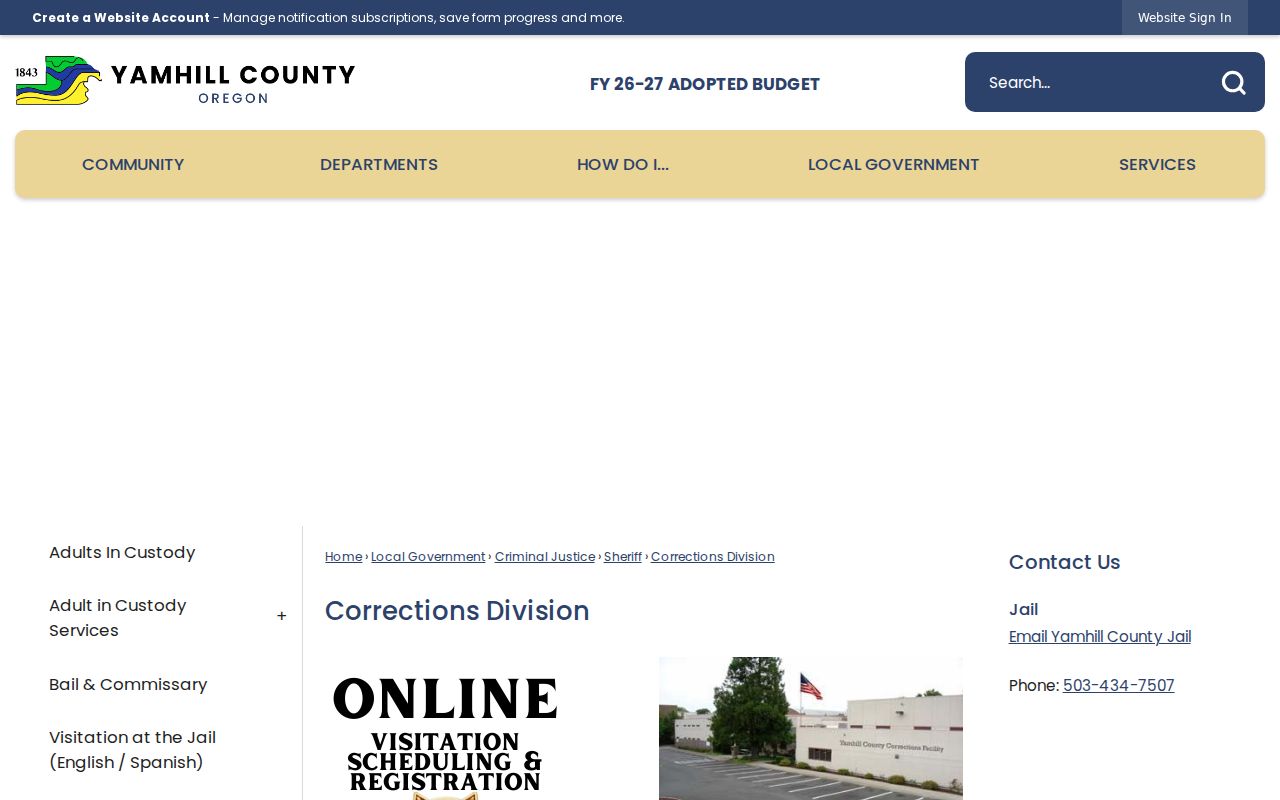
The Corrections page supports a records-unit contact, not a historical address search.
Oregon DOC VISOR searches current custody or supervision by full or partial name, SID, or County ID.
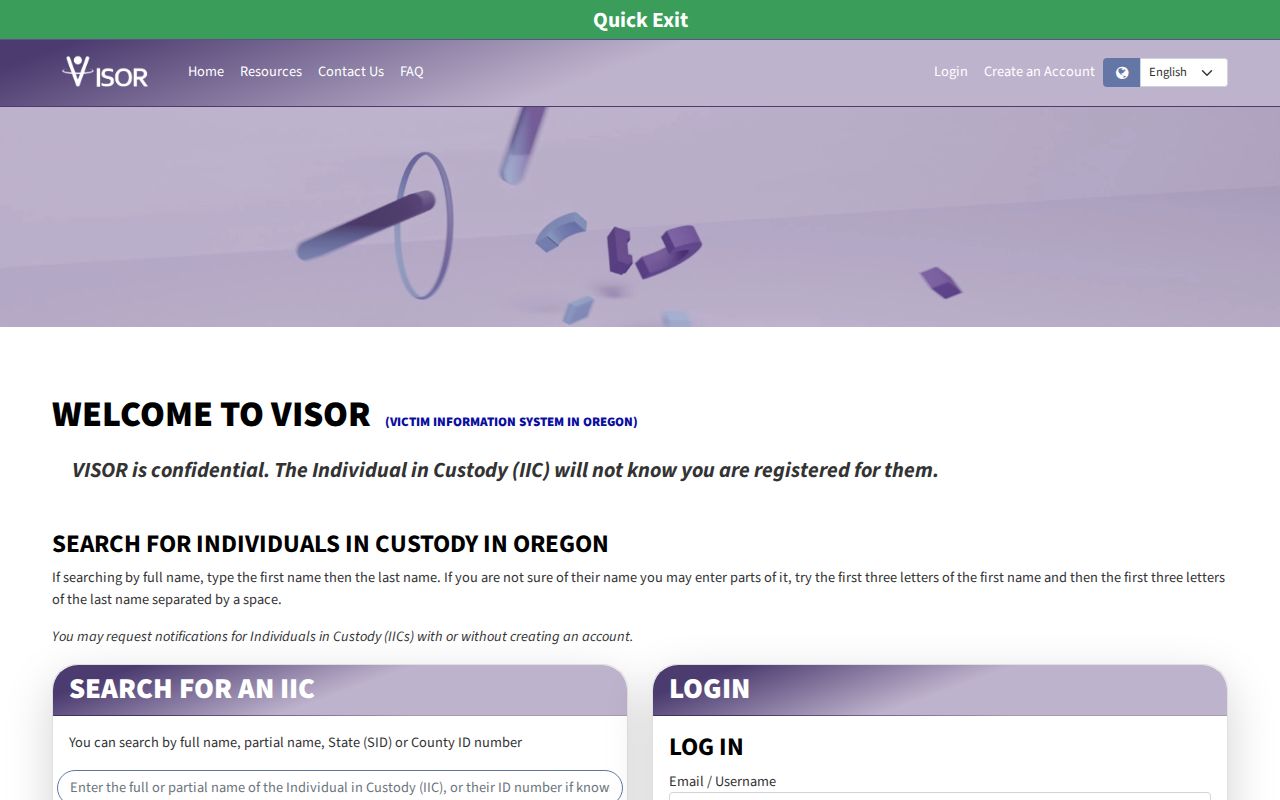
VISOR is periodically updated, limited to current custody or supervision, and not a universal historical roster or official law-enforcement record.
The Oregon State Police Sex Offender Registry is a statutory public-safety entry point.
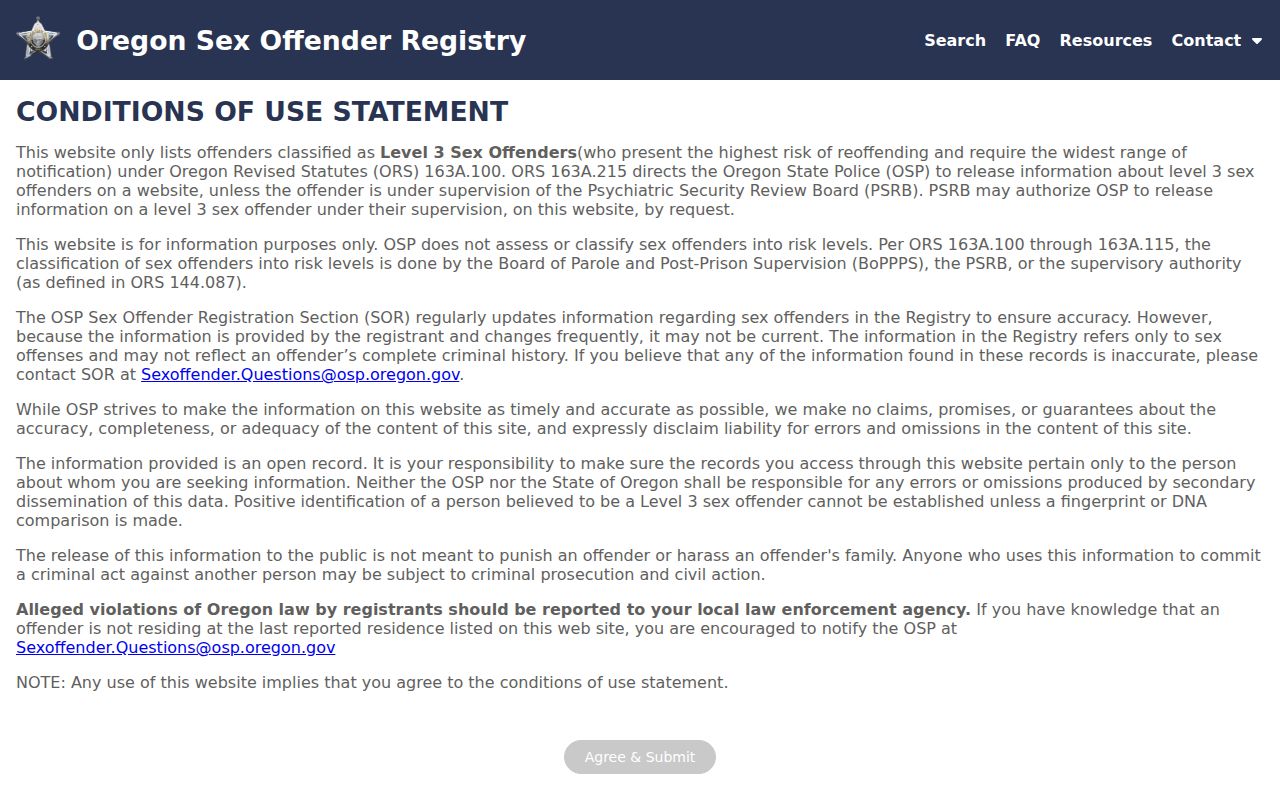
The State Police says not every person convicted of a sex offense must register and not every registrant is posted online, so absence is not a historical address conclusion.
The Oregon Business Xpress License Directory routes users to board-specific official searches.
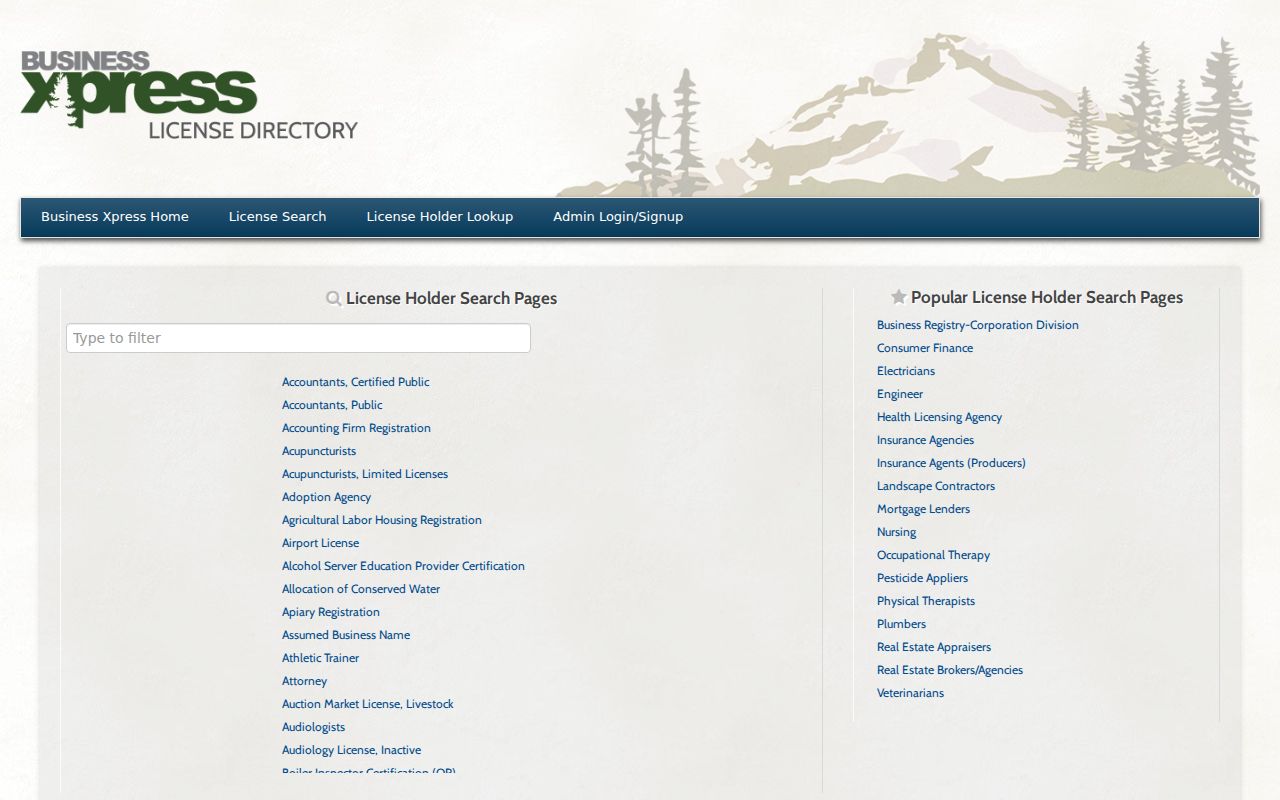
A license listing can establish a board-related affiliation, but it does not prove a person lived at a McMinnville address.
The Oregon Medical Board licensee search has name, license-number, and specialty-plus-location paths.
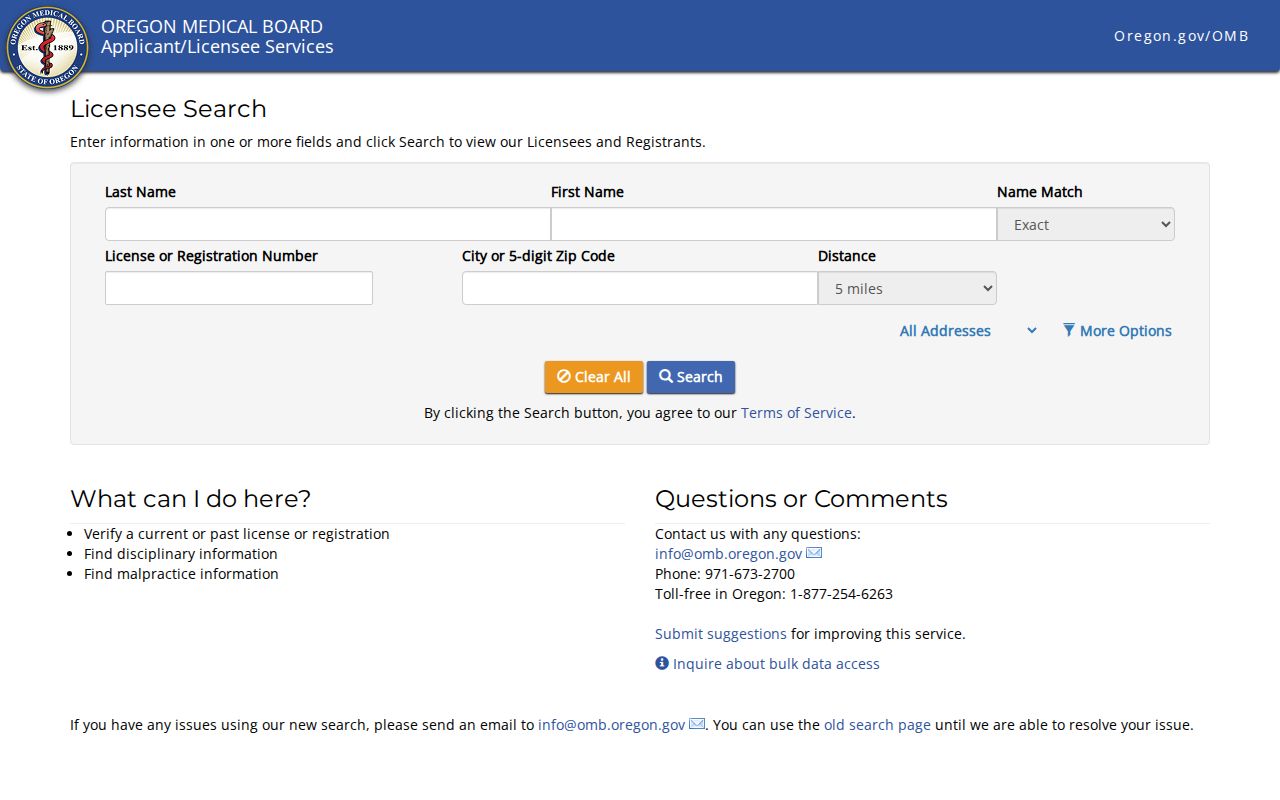
Board results can cover current or former licensees and require an identity and date check. They are not evidence of a household at a prior address.
McMinnville Previous Residents in 2026 Archives
Recent archival access creates a useful dated research opportunity. The State Archives reported that 1925 births and 1975 deaths, marriages, and divorce returns became open at the beginning of 2026. That change does not make all vital records open. Oregon continues to restrict birth records for 100 years and death, marriage, and divorce records for 50 years, with eligibility and identification rules for contemporary certified copies.
Use the State Archives historical indexes and research channels for the open historical period. For a contemporary certificate, use the Oregon Health Authority’s documented eligibility route. When a vital or probate lead names a family connection, return to the address chain and compare the date against the relevant directory, census, or deed record.
McMinnville Past Household Privacy Limits
Past-residents research has real limits. A recorded party does not prove everyone who lived at a property. A directory entry can precede or follow a move. A map traces a building, not a household. Unrecorded occupants, protected voter addresses, DMV personal information, utility data, and other exempt records are not a public address history. Treat a missing or conflicting entry as a reason to test the date and source, not to infer a private fact.
Oregon’s Address Confidentiality Program and voter-address exemptions protect some addresses. County and City record policies also apply exemptions, redactions, and actual-cost procedures to existing public records. Correct a record through the custodian that maintains it, such as Assessment & Taxation for an account question or the Clerk for recorded-document procedure.
Lawful use. McMinnville historical address research fits family, heir, and house-history questions. Do not use it to stalk, harass, threaten, or expose protected information.